

First, make sure you are not running into this problem https://surfer.nmr.mgh.harvard.edu/fswiki/ReleaseNotes The global morphometry statistics embedded in aseg.stats and other files have an error when the input volume has a voxel resolution different than 1mm^3. See MorphometryStats https://surfer.nmr.mgh.harvard.edu/fswiki/MorphometryStats. See BrainVolStatsFixed https://surfer.nmr.mgh.harvard.edu/fswiki/BrainVolStatsFixed for the patch for version 6.
Second, it is hard to say what might be going on without actual numbers.
On 9/13/2021 8:25 PM, özenç taşkın wrote:
External Email - Use Caution
Hello Freesurfer developers,
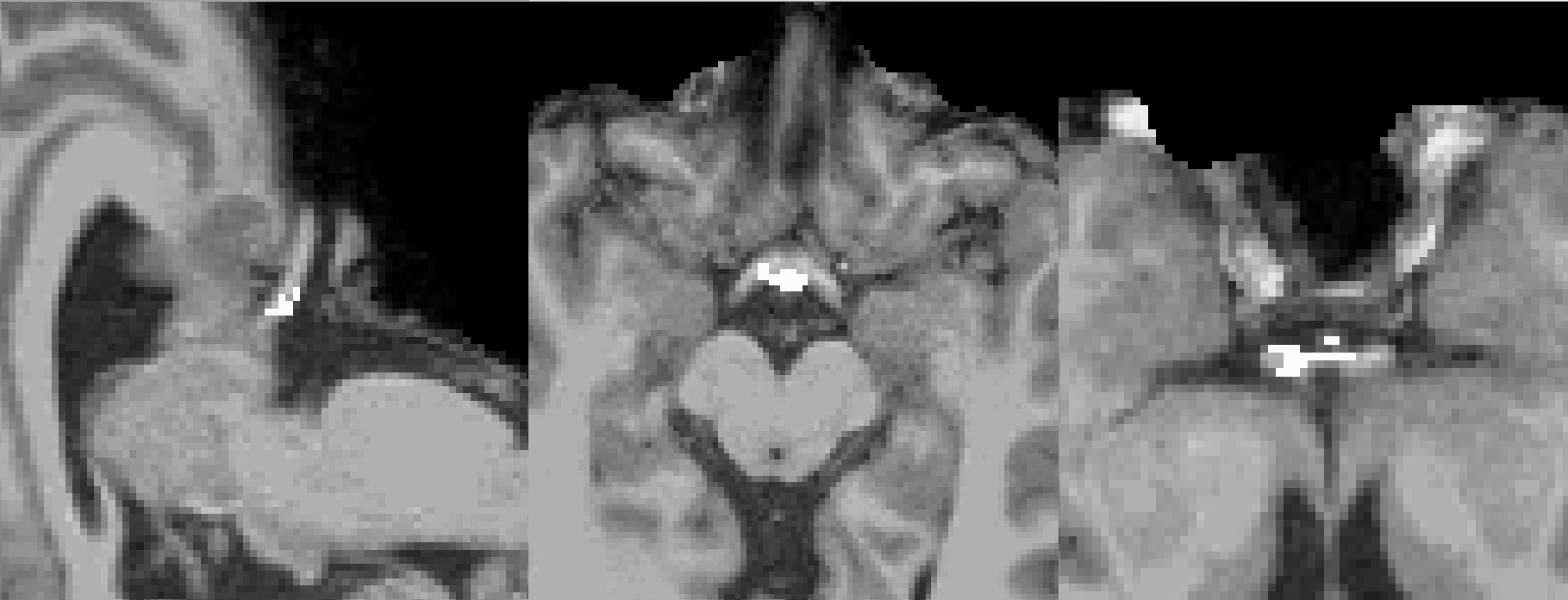
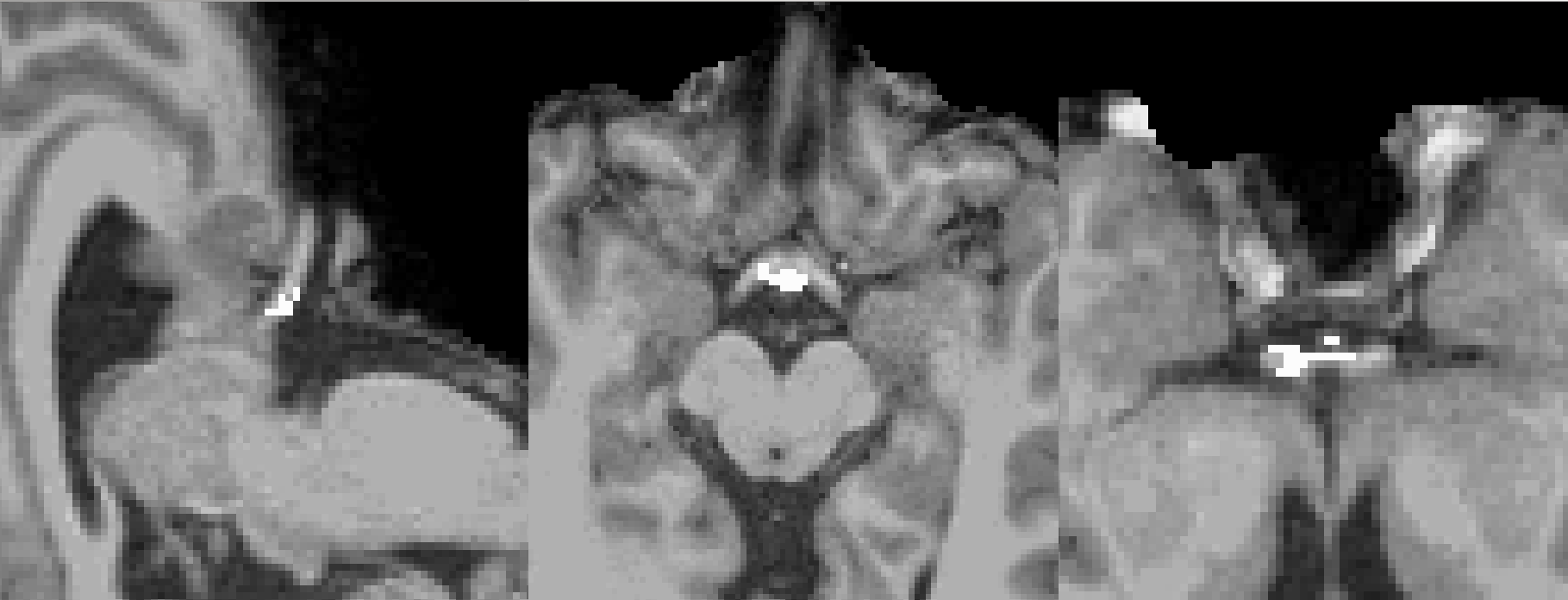
I am trying to measure the optic chiasm volume from a set of subjects and I ran recon-all with Freesurfer version 7.1.1 to do that. I also ran HCP minimal processing pipeline on the same set of subjects for some other project and I believe that pipeline runs Freesurfer v6 before it does the additional HCP related processing. When I compare the optic chiasm volume from these two Freesurfer runs, the results appear to be quite different. I believe Freesurfer 6 version is more accurate as it correlates better with some other metrics I have. I have a few questions:
1 – I want to systematically check the analysis results step by step to see where it might have gone wrong, but I don’t really know where to start. The initial Tailarach registrations look okay and I don’t really see anything wrong with the processed volume and surface images. What other quality checks can I perform on the data to catch the source of this discrepancy in the results?
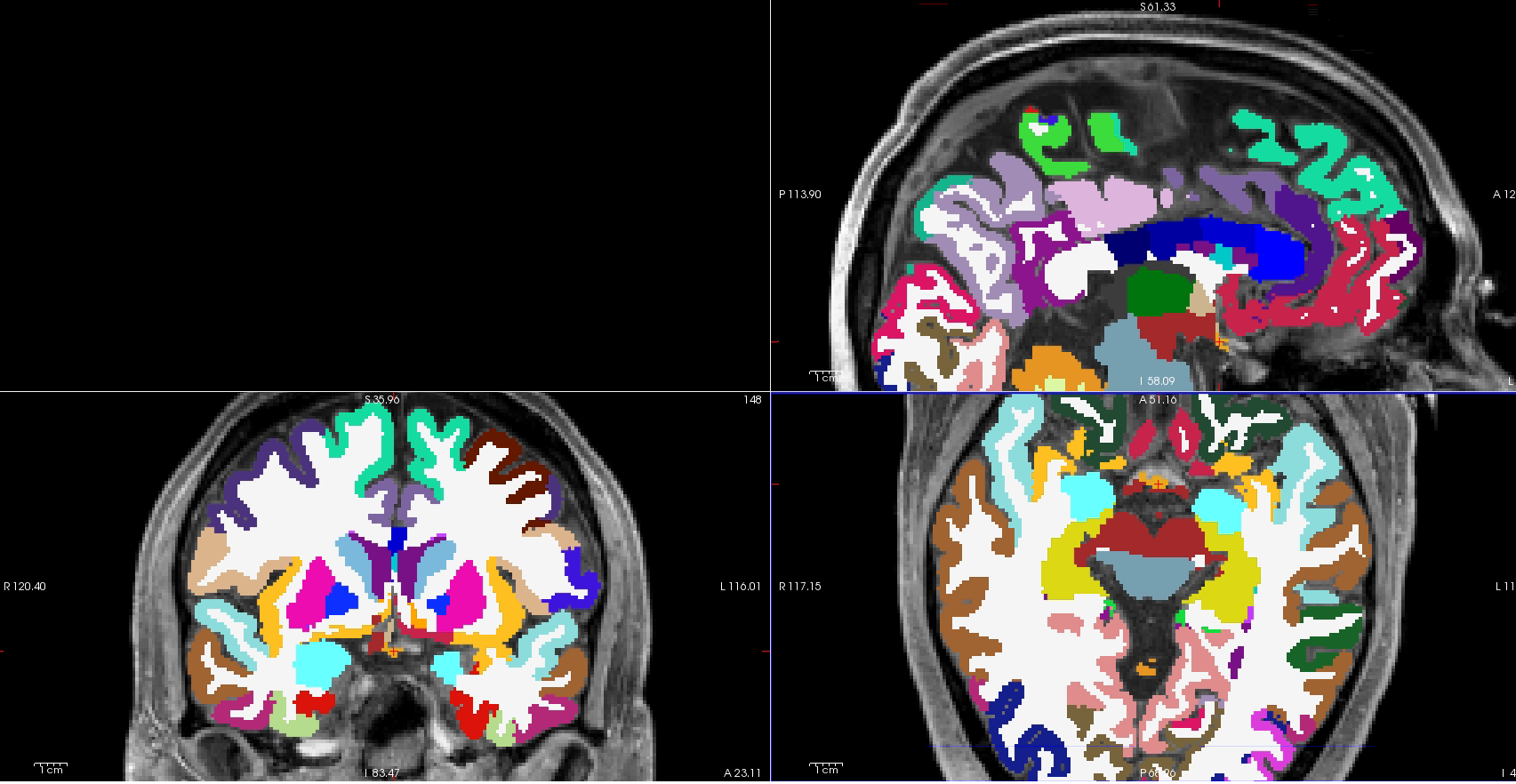
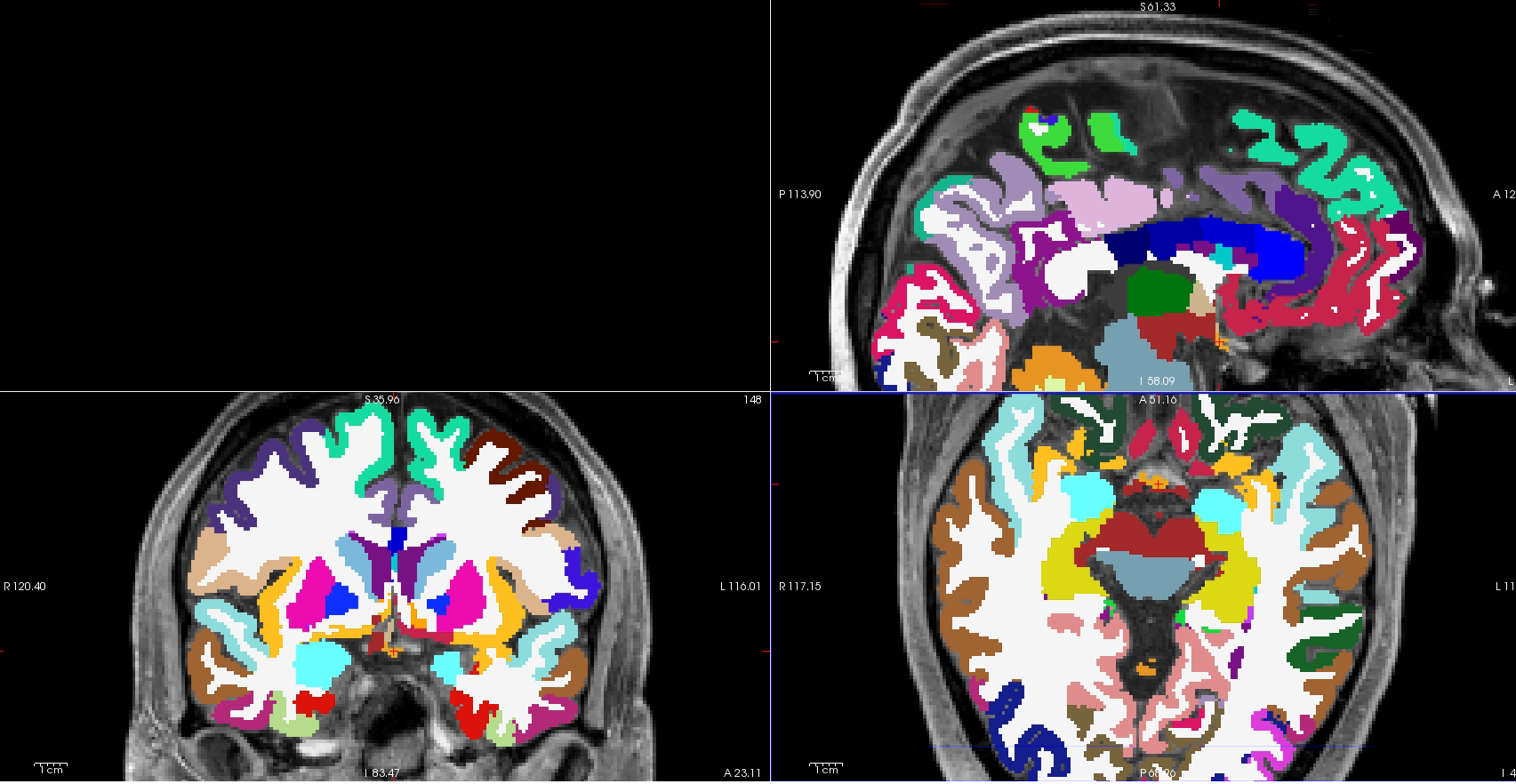
Take the one case that has the worst agreements and look at the chiasm segmentations (aseg.mgz) on the anatomical and judge for yourself which one is better.
2 – I also ran the thalamic segmentation script with Freesurfer 7 to measure the LGN volumes. Now these results look pretty correlated with the other biometric measurements I have so that the results look sensible to me. However, I got a bit worried that the issue that affects the optic chiasm results might also be influencing the LGN results. Is this a possibility? How much does this segmentation script depend on the intermediate recon-all files such as transformation matrices and what not?
The problem with sub 1mm data mentioned above should not affect it.
3 – Finally, can I use the thalamic segmentation script on the recon-all output generated by version 6 or does it depend on any new files/methods introduced by version 7 recon-all?
Not sure, not something we test, but I think it should work.
Best,
Ozzy
Freesurfer mailing list Freesurfer@nmr.mgh.harvard.edu https://mail.nmr.mgh.harvard.edu/mailman/listinfo/freesurfer
freesurfer@nmr.mgh.harvard.edu
-
 Douglas N. Greve
 -
 özenç taşkın